By Vijay Malavia, Director of Digital Media, Streetlight Digital
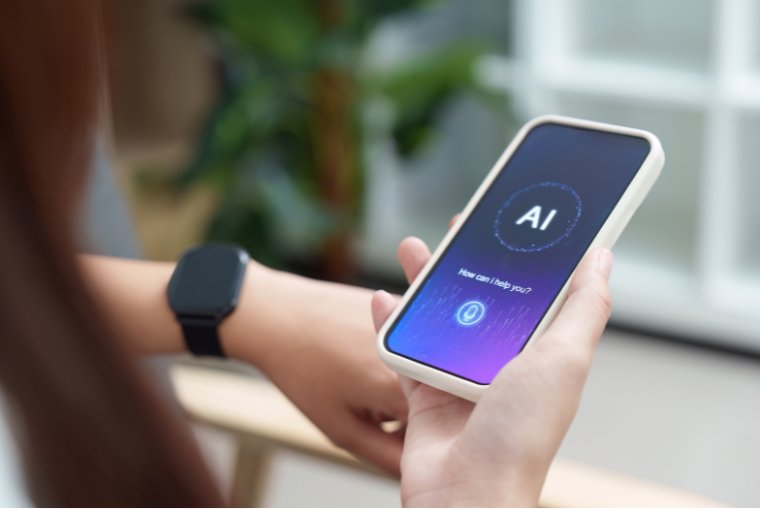
Last week at I/O, Google also expanded Personal Intelligence in AI Mode. In layman's terms, this is a shift away from generic AI answers to ones tailored specifically to you. The feature personalizes responses with context from Gmail, Photos, and soon Calendar. Ask AI Mode to plan a getaway and it can draw on your hotel confirmations and past trips. Instead of answering questions based only on the web, it blends public information with your personal context.
When applying this to nonprofit research, the new AI-powered query suggestions (covered in our previous post, Google's Biggest Search Change in 25 Years) encourage supporters to ask more nuanced questions: discovering causes, comparing orgs, vetting impact. Those answers now draw on what's in their inbox. Spooky? You tell us! But not surprising, if you've been following Google's trajectory along the way. This is a natural extension of a broader shift toward personalization powered by connected data.
The timeline for search transformation has been slowly but surely reaching this point. Let's explore the 2026 rollout.
January 22, 2026: Personal Intelligence launches in AI Mode for AI Pro and AI Ultra subscribers resulting in an early-access layer of deeply personalized AI search, testing how far users would go in trading data for convenience and relevance.
March 17, 2026: Expands to free-tier users in the Gemini app and Gemini in Chrome.
May 19, 2026: Goes global to nearly 200 countries and 98 languages, no subscription required, Calendar coming soon.
Why does this matter?
After all, search has always personalized based on what Google knows about you, but namely your location, search history, your device. Email content has never been one of those inputs, but Personal Intelligence changes that. The industry has been pushing first-party data for years as ad targeting eroded and privacy ate the cookie.
Personal Intelligence raises the stakes because visibility is no longer just about ranking on the open web, it’s also about being present in the user’s personal data footprint.
For nonprofits, this is a new kind of visibility. Ask AI Mode "which veterans org should I support for Memorial Day," or "which org is helping with the Ebola outbreak," and Personal Intelligence can lean on context from the supporter's inbox to inform the answer.
Simply being surfaced does not mean you will be chosen, but it raises the odds. Visibility may produce a direct click in AI Mode, a branded search later, or direct traffic.
In direct response fundraising, lead generation is often the first thing cut when budgets tighten. Personal Intelligence makes that a riskier decision than it used to be. Because now, those earlier touchpoints (email subscriptions, small donations, content downloads) don’t just drive immediate ROI. They also seed the data layer that may influence future discovery inside AI-driven search.
This is a critical conversation for nonprofits planning out their budgets and we need to keep the conversation going. Stay tuned for what's up next: ads in AI mode.