
Boys & Girls Clubs of America highlights the importance of creating safe, supportive, and joyful summer experiences for kids and families.
Ah, the summer fundraising slump. Every nonprofit knows it’s coming, but not every organization is prepared to get ahead of it. During the summer, donors are spending more on travel, unplugging from their usual routines, and, quite simply, are offline more than they are online. That seasonal shift has a real impact on giving behavior.
Too often, the response is reactive: “Summer is slow! Let's scramble to fix it.”
But summer doesn’t have to be a reactive moment for your fundraising or digital marketing team. In fact, it can be a strategic opportunity in your annual plan. At Streetlight, we expect the slowdown and work with our clients to create strategic summer campaigns to offset seasonal dips. Let’s explore a few key components of a successful summer campaign.
Start with a real, seasonal need
The most effective summer campaigns are grounded in something real that is happening right now.
For some organizations, this is easy to identify. For others, it may require a deeper look into your community and stakeholders. But with the right exploration, you can uncover a real, timely need that deserves to be brought into the spotlight. For Muscular Dystrophy Association (MDA), that seasonal need is easy to see. MDA Summer Camp is a great example of a mission moment that is both deeply meaningful to the community and naturally tied to the summer season. The campaign doesn’t need to manufacture urgency. Donors understand exactly why their support matters right now, not later. Aligning the donor’s moment with the mission’s moment is what makes seasonal storytelling so effective.

MDA’s summer campaign shows the meaningful impact of camp for children and families.
2. Make it relevant to your community
A strong seasonal campaign also reflects what your audience is actually experiencing.
Our clients at Boys & Girls Clubs of America (BGCA) do this exceptionally well. Rather than pushing a broad “summer appeal,” they anchor their messaging in real pressures families face during this time of year:
Rising childcare costs
Increased grocery bills
The challenge of keeping kids safe, fed, and engaged while school is out
This approach shifts the narrative from “please give” to “this is what families need right now. Here’s how you can help.”
3. Create a clear sense of urgency
Urgency matters in any fundraising campaign, and in the summer, it’s especially powerful when it’s authentic and brought into the spotlight.
Armed Services YMCA’s School’s Out campaign is a strong example of urgency rooted in reality. During the school year, 40% of military families rely on free or reduced-price meals. When school ends, that support disappears overnight.
At the same time, summer overlaps with PCS season, the peak relocation period for military families. This means many households are navigating major transitions while facing increased food costs and disrupted routines.
When the urgency is real, immediate, and tangible, it is easy for donors to understand and makes it key for a successful summer campaign.
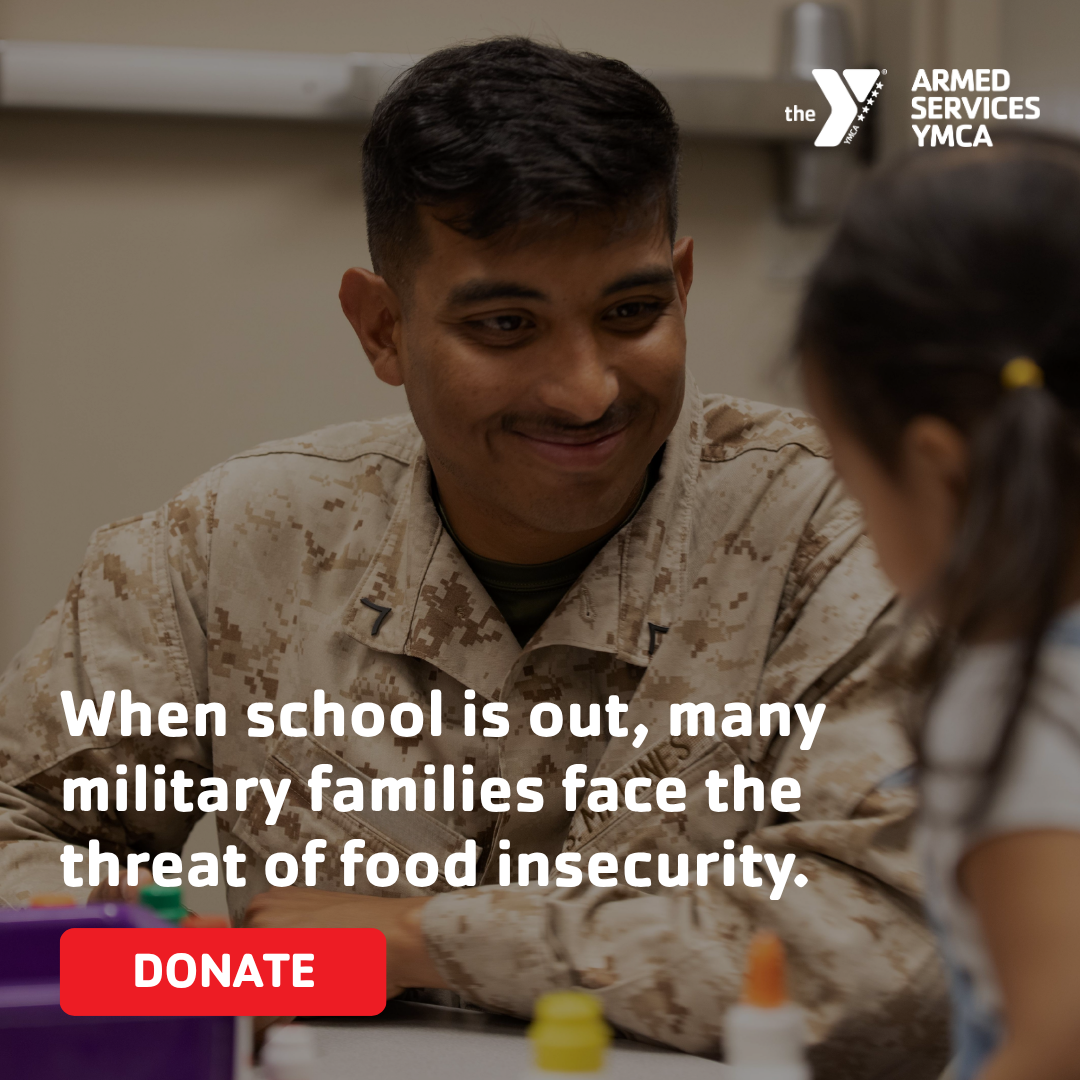
Armed Services YMCA grounds its summer appeal in the very real threat of food insecurity for military families.
4. plan ahead, don’t pivot late
This is a guiding principle for us at Streetlight, and shapes how we approach strategy with every client.
Organizations that struggle during the summer often recognize the slowdown only after it’s already begun. By that point, teams are forced into reactive decisions that can feel rushed and less effective. In contrast, the most successful summer campaigns are intentionally built into annual planning from the very beginning.
At Streetlight, we partner with our clients to anticipate seasonal trends and prepare early. That means developing campaign strategy, creative assets, and media plans well before the summer months arrive. When the shift in giving happens, they’re ready for it.
That level of preparation is what helps organizations navigate the summer months with confidence and strength.